
Resources
California and other states now mandate landfill diversion.
Are your operations in compliance?
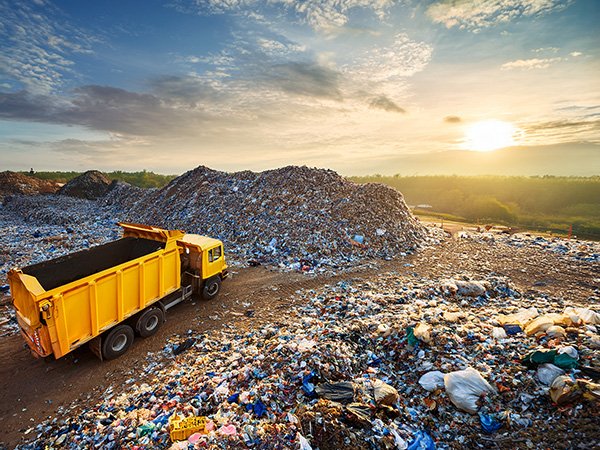
California’s 75% Diversion Mandate
Each year, 23 million tons of organic waste will need to be recycled, reduced or composted statewide. CalRecyle’s mandate is being implemented through municipalities, which in turn are regulating hauling companies and commercial food processors to meet this ambitious goal.
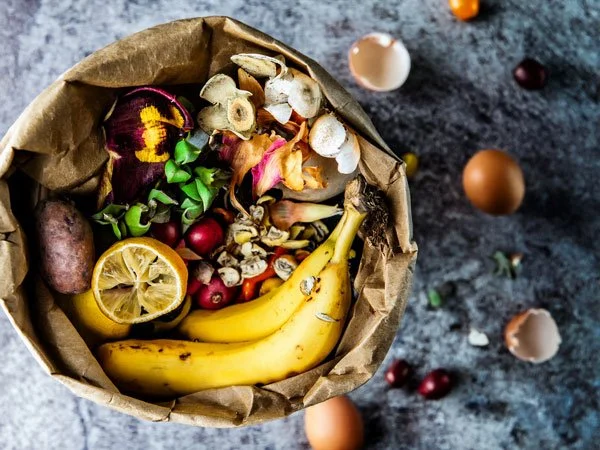
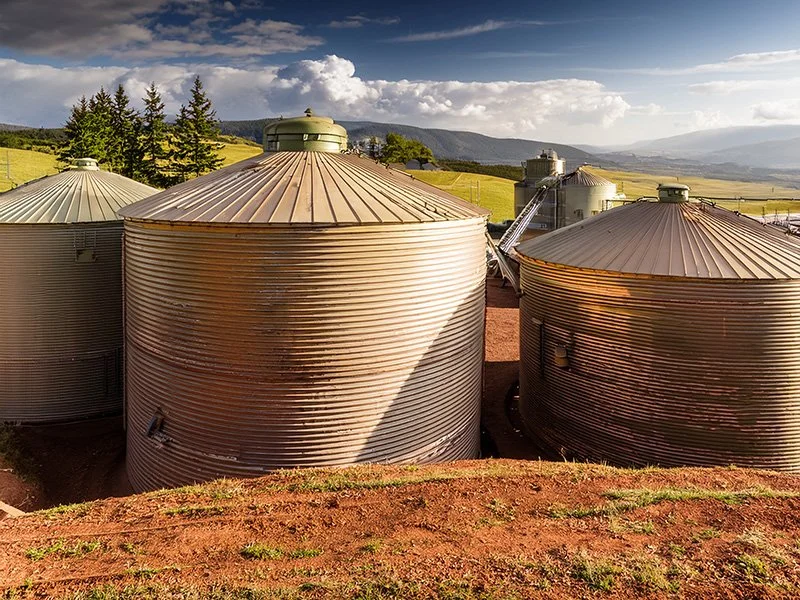
The AD Permitting Challenge
Anaerobic digestion is another alternative to landfill disposal of organic waste. However, odor concerns and siting issues have caused permitting delays and denials for a number AD projects. The high capital cost and decline in value of renewable energy credits (RINs) also pose significant challenges.
Additional Resources
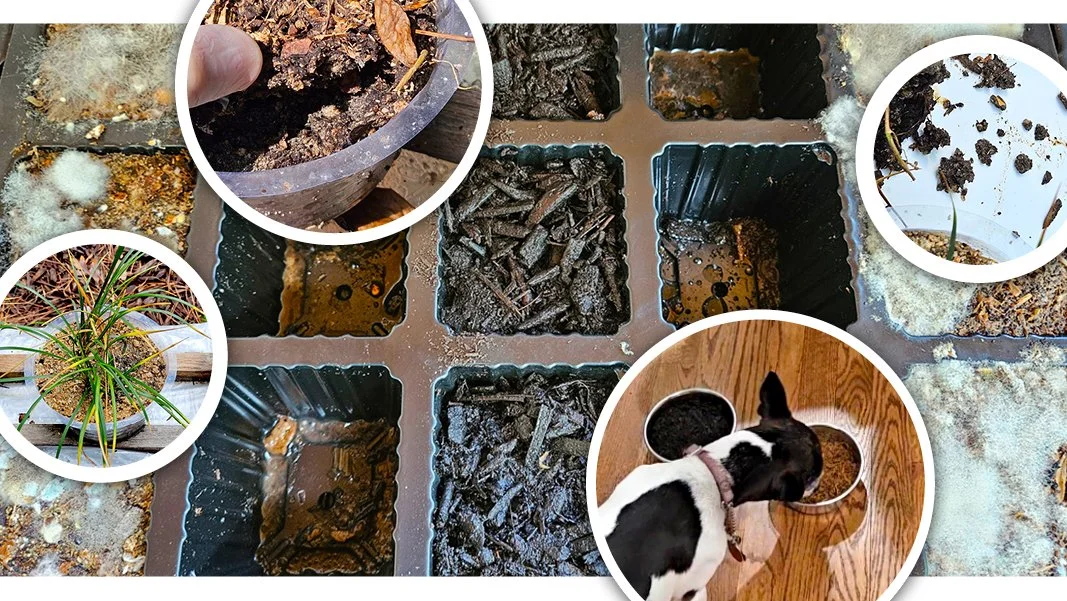
Electric kitchen “composter” confusion
Source: BioCycle.com
Molding and plant growth trials, along with product characteristic analyses, were done with output from two different kitchen food waste dehydrator units and compared to “real” compost.

Reducing food loss: What grocery retailers and manufacturers can do
Source: McKinsey & Company
An estimated $600 billion worth of food is lost during or just after harvest. Can manufacturers and grocers do anything about it? Definitely—and it will be good for business, people, and the planet.
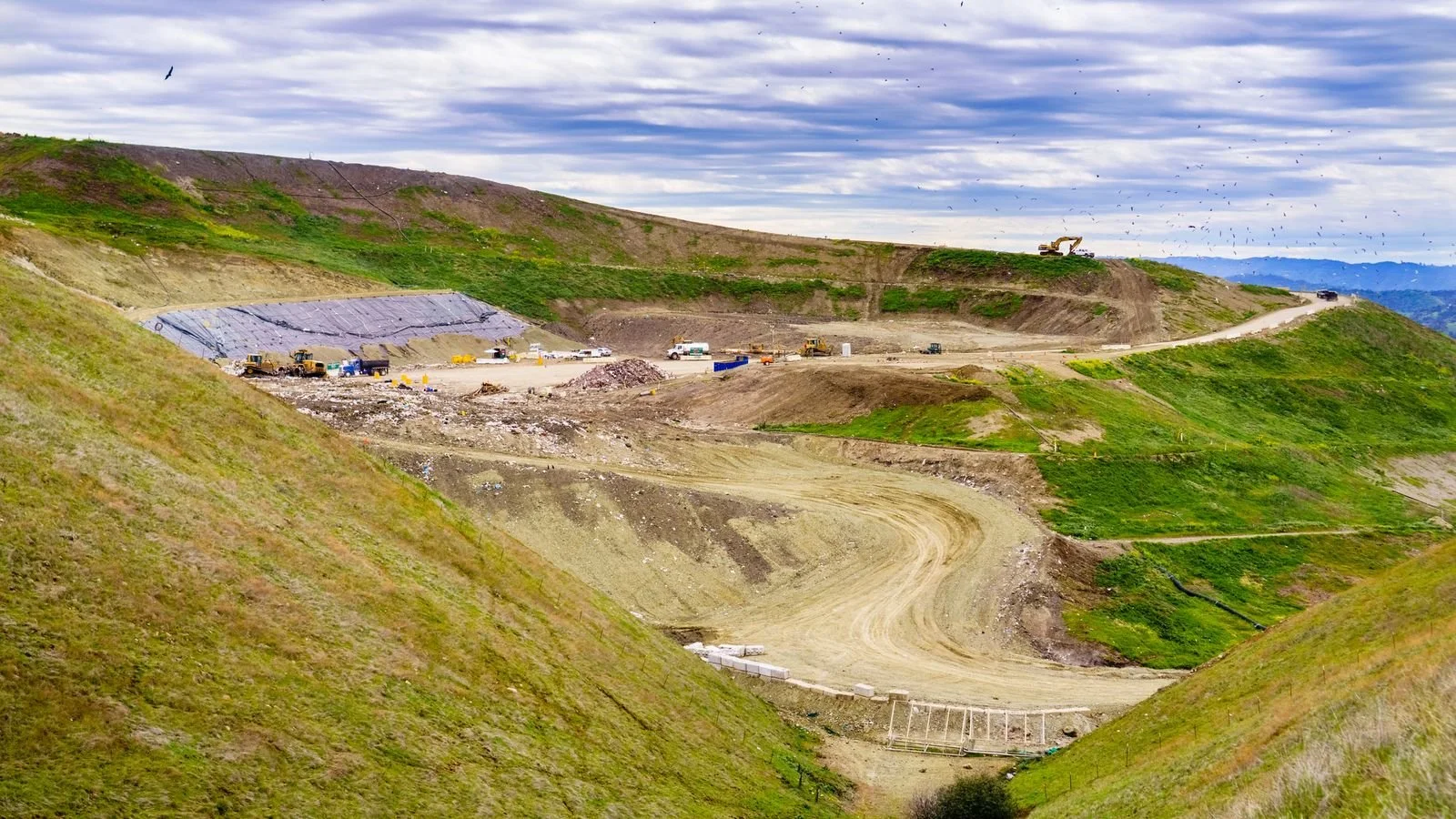
US waste and recycling industry worth $91B in 2022, landfill capacity consolidation continues
Source: Waste Dive
The U.S. waste and recycling industry was worth an estimated $91 billion in revenue during 2022, according to data from research and consulting firm Waste Business Journal, up from $82 billion in 2021.
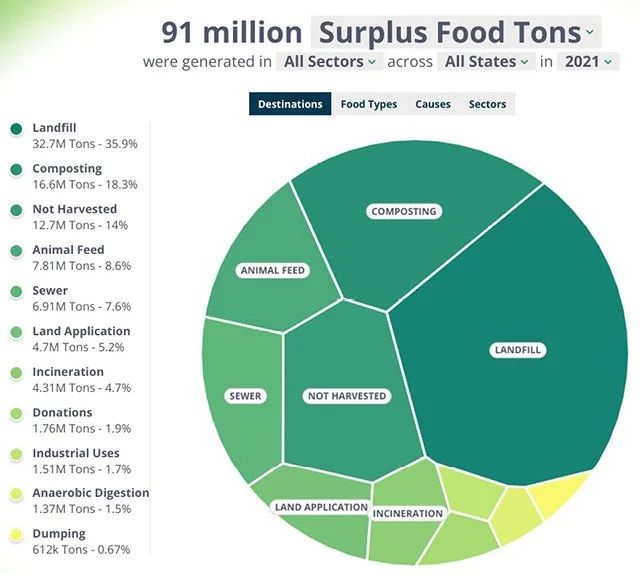
ReFED releases new food loss and waste stats
Source: BioCycle
ReFED’s analysis places the value of food that went unsold or uneaten at $444 billion in 2021, approximately 2% of U.S. GDP (Gross Domestic Product).
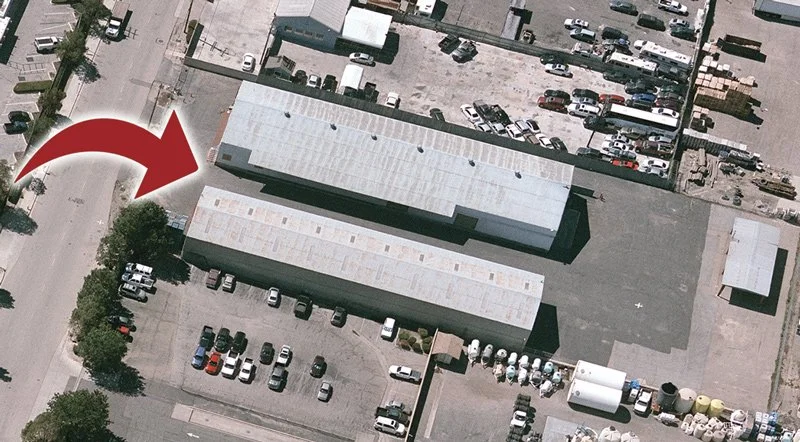
Harrison-Agromin Organic Waste Recycling Facility Receives Permits
Source: EJHarrison.com
Expansion of commercial food waste recycling capacity recently received a big boost when the city of Oxnard approved permits needed for a new processing operation off Mountain View Avenue.
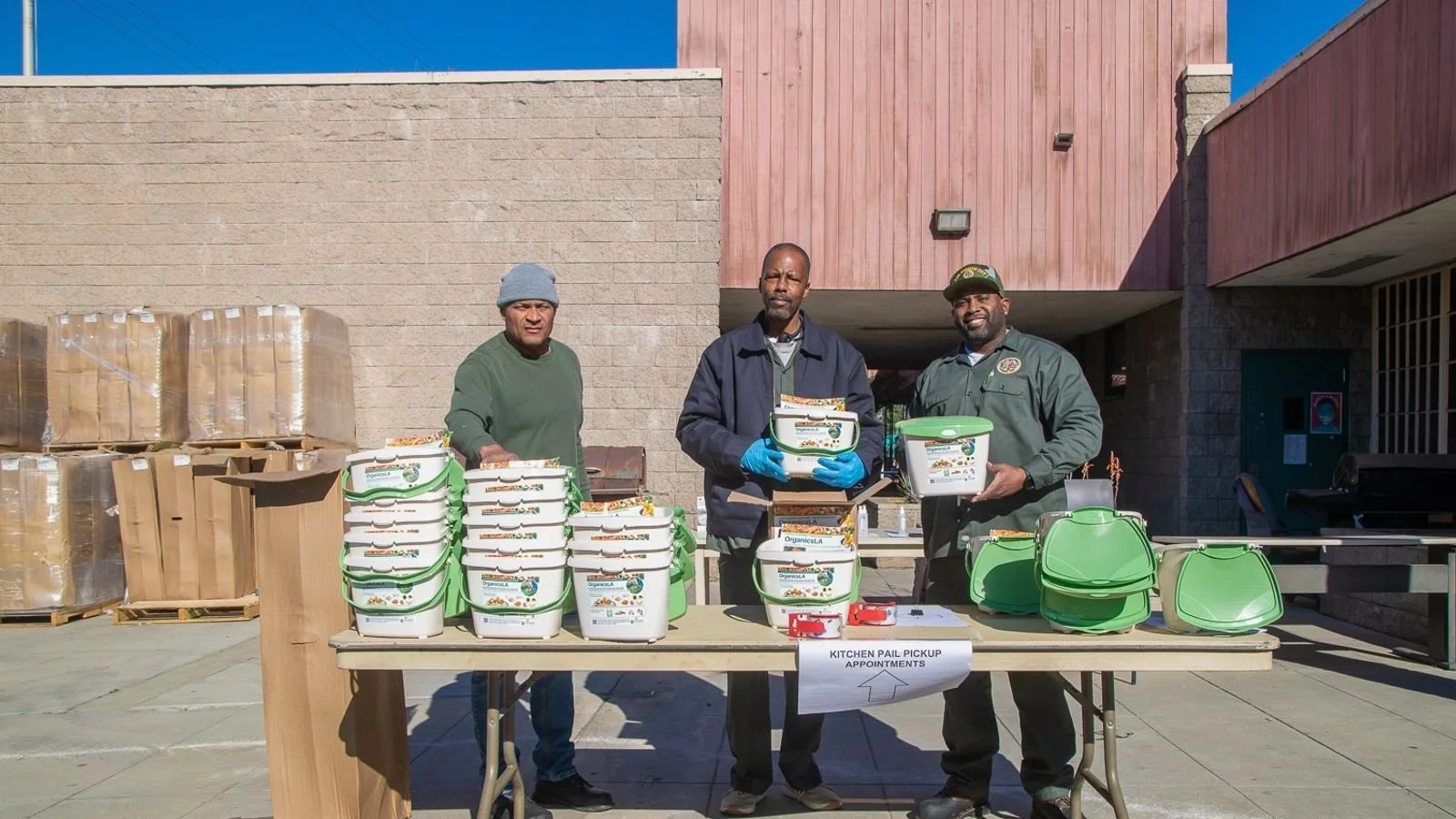
Los Angeles launches citywide organics service, awards compost contracts worth up to $1.67B
Source: Cole Rosengren, WasteDive
Los Angeles has been working to scale up its food waste collection program in recent years, in part to comply with California’s SB 1383 law which now requires local jurisdictions to offer organics collection service. That policy aims to reduce organic waste disposal 75% by 2025, which has been described by CalRecycle as an “uphill battle” in part due to pandemic setbacks.

How SB 1383 Compliance affects California grocers
Source: Stefanie Valentic, Waste360
Food-focused businesses such as grocers face a particular set of challenges to meet compliance. CalRecycle's Environmental Program Manager Kyle Pogue recently provided context about SB 1383 and the ramifications and requirements for California grocers.
Issuance of Medium VolumeTransfer/Processing Facility Permit for Riverbank Organics Project, SWIS No. 50-AA-0055
On January 8, 2021, the Department of Resources Recycling and Recovery (CalRecycle), as the solid waste Enforcement Agency for Stanislaus County, received a Registration Permit Application for the subject facility. The Registration Permit Application was submitted for a new Medium Volume Transfer/Processing Facility pursuant to Title 14, California Code of Regulations Section 17403.6. The Registration Permit Application was accepted as complete and correct for filing on February 4, 2021. The Registration Permit was issued on February 9, 2021.