Resources
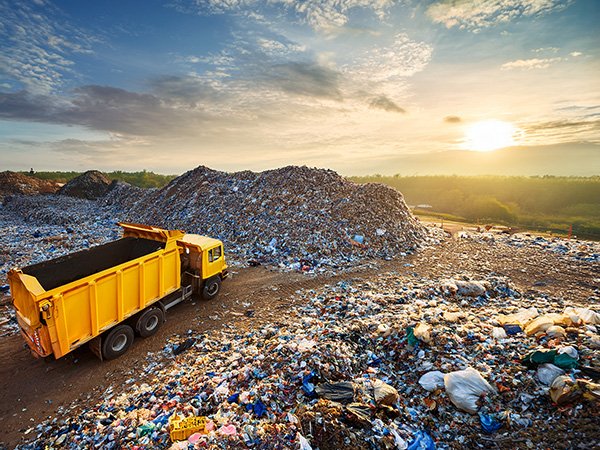
California and other states now mandate landfill diversion.
Are your operations in compliance?
California’s 75% Diversion Mandate
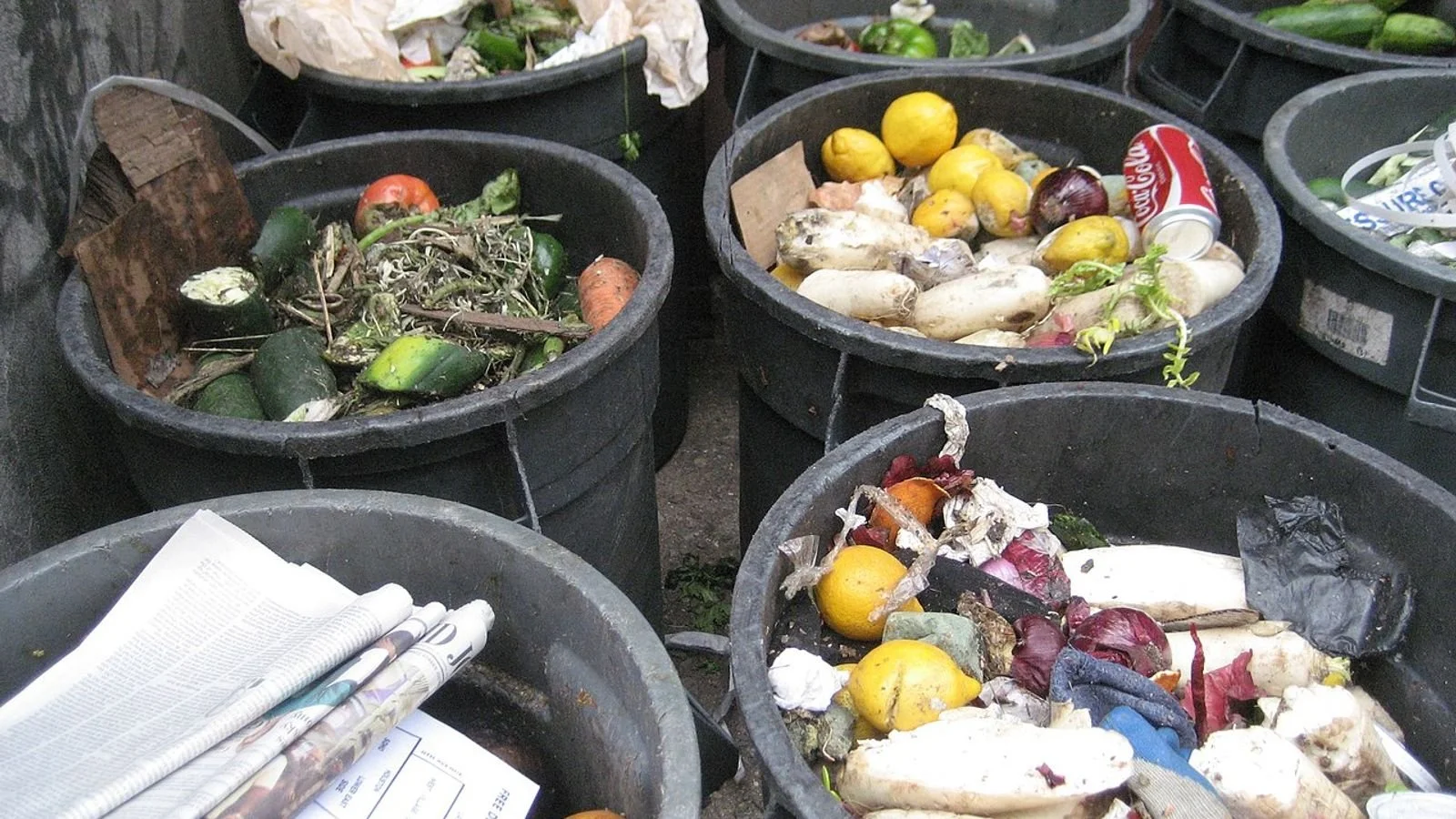
Each year, 23 million tons of organic waste will need to be recycled, reduced or composted statewide. CalRecyle’s mandate is being implemented through municipalities, which in turn are regulating hauling companies and commercial food processors to meet this ambitious goal.

The AD Permitting Challenge
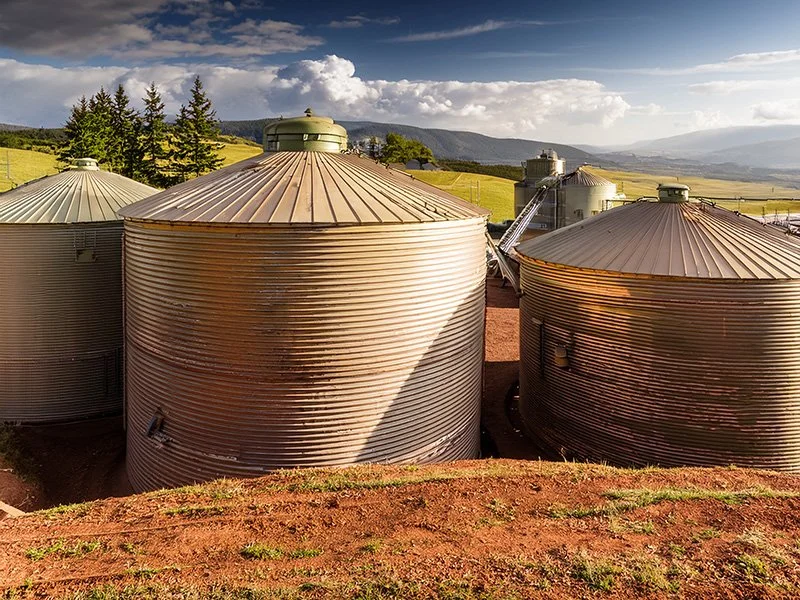
Anaerobic digestion is another alternative to landfill disposal of organic waste. However, odor concerns and siting issues have caused permitting delays and denials for a number AD projects. The high capital cost and decline in value of renewable energy credits (RINs) also pose significant challenges.
Additional Resources
ReFED shares concerns about recent food waste ban study
Source: ReFED.org
While the study makes claims about food waste, it assesses total disposed waste rather than just the organic fraction. Further, the study only evaluates policies from 2016 or earlier.
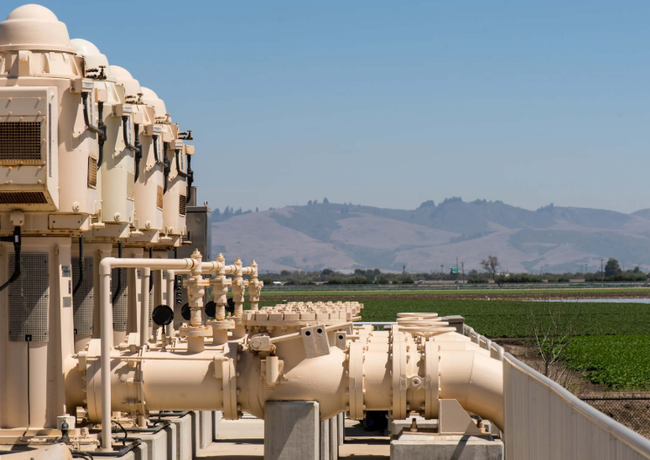
Report: Wastewater recycling essential to resilient water future for LA region
Source: UCLA Division of Agriculture and Natural Resources
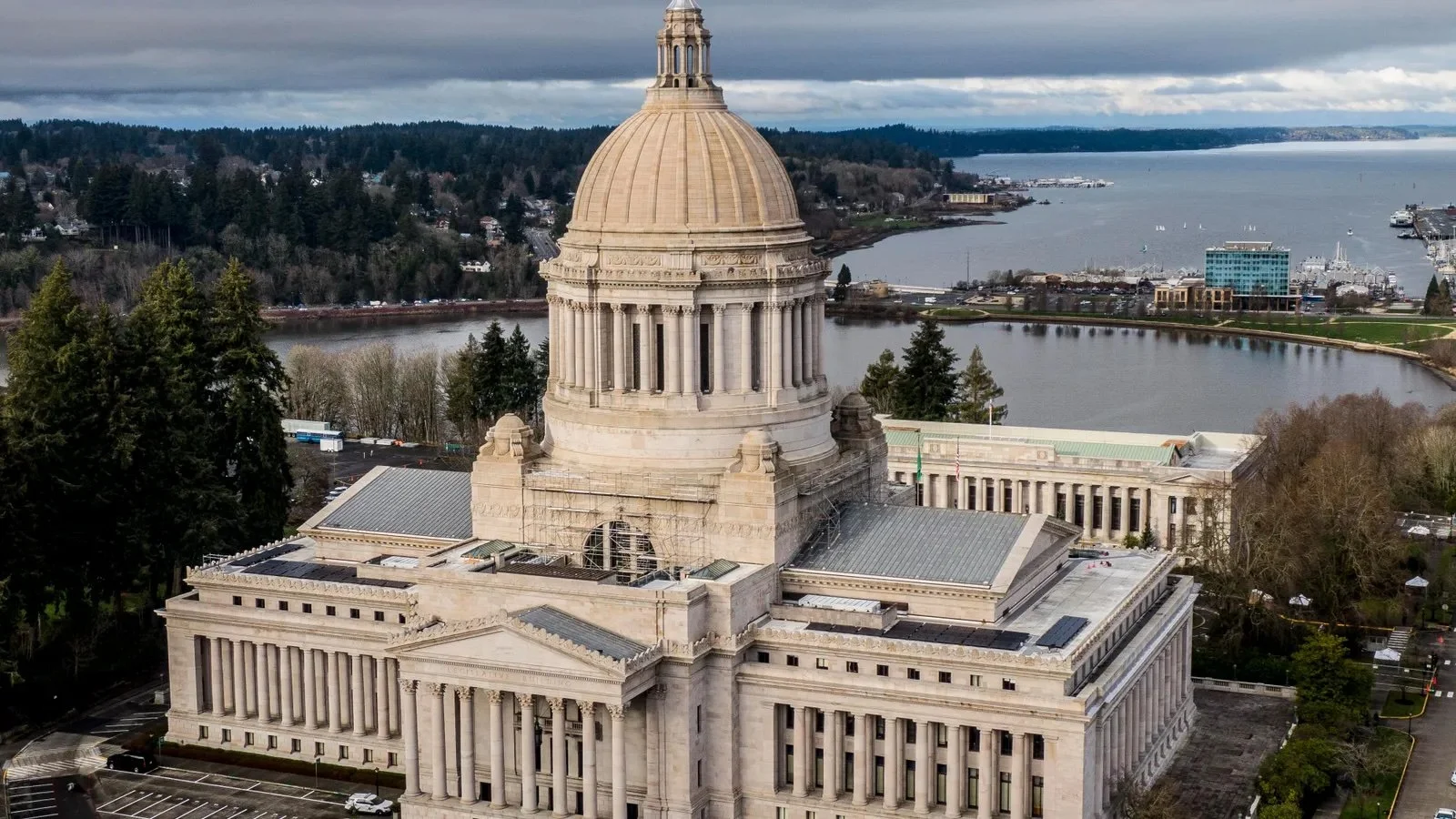
Washington legislature passes bill expanding food waste donation and recycling requirements
The bill establishes a multipronged approach to help Washington achieve its food waste reduction goals, echoing the U.S. EPA’s latest Wasted Food Scale priorities.
Source: WasteDive
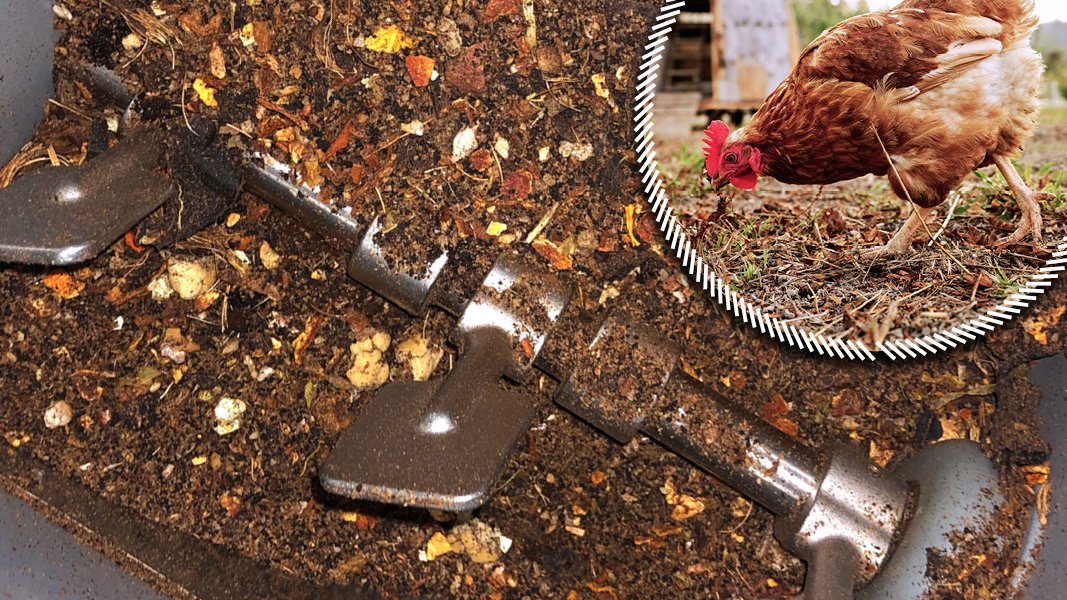
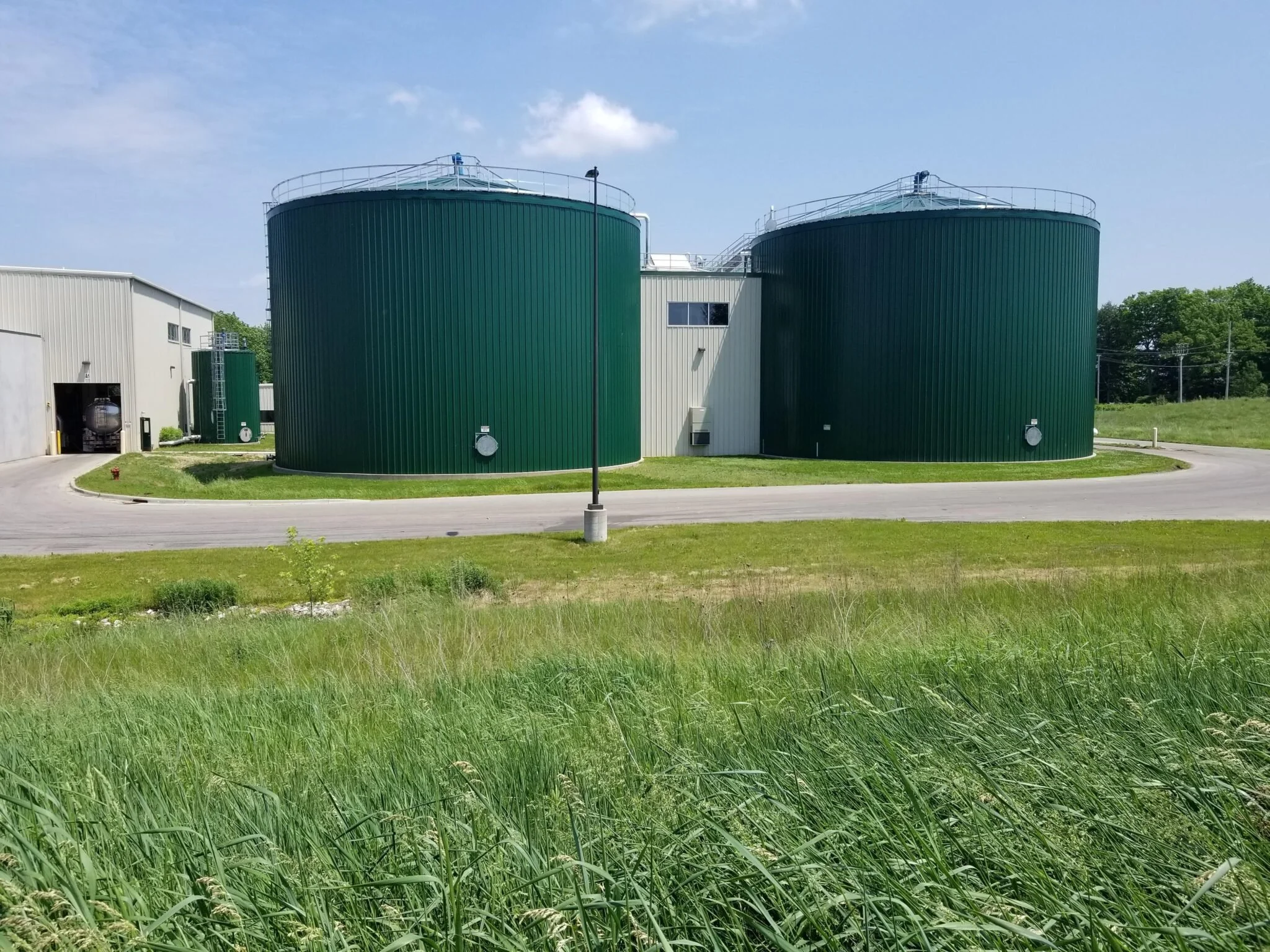
Digester to close doors amid permitting conflict with state
Source: Kyle Davidson, MichiganAdvance.com
Odor complaints and runoff concerns led to closer scrutiny and the determination that the facility’s liquid digestate could not be legally authorized for land application through the solid waste program.
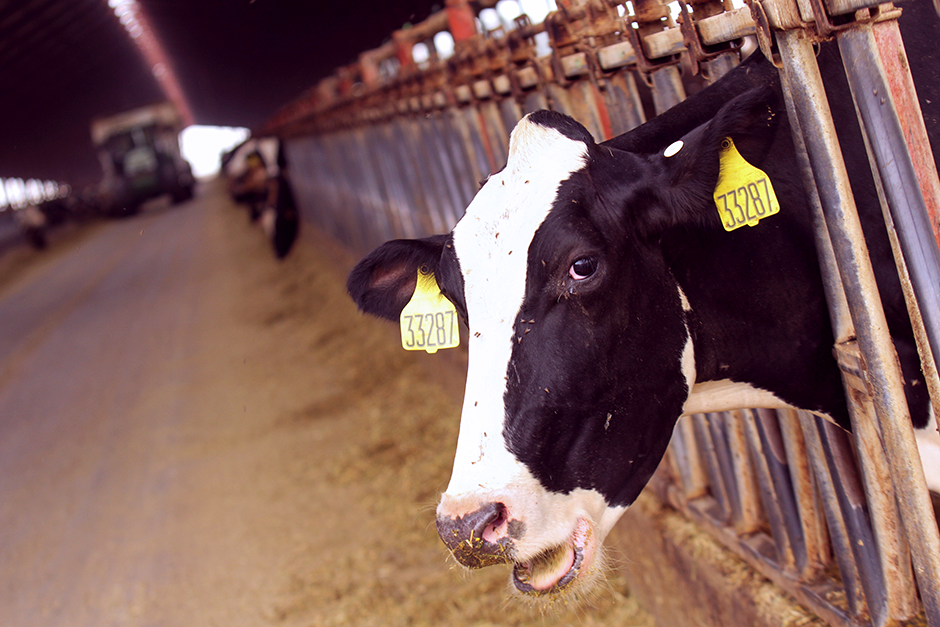
Why is California funding big dairies in Minnesota?
Source: Ben Lilliston, Minnpost
Rural communities are concerned about the growing role of fossil fuel companies in farm operations for out-of-state anaerobic digestion projects.
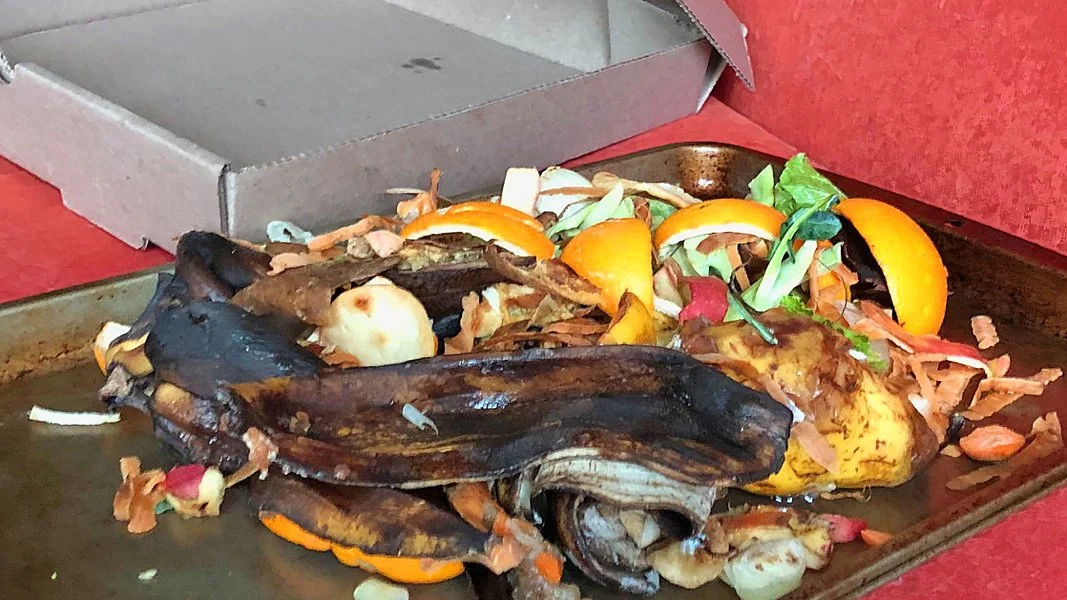
US EPA releases food waste and landfill methane report
Source: Sally Brown, BioCycle
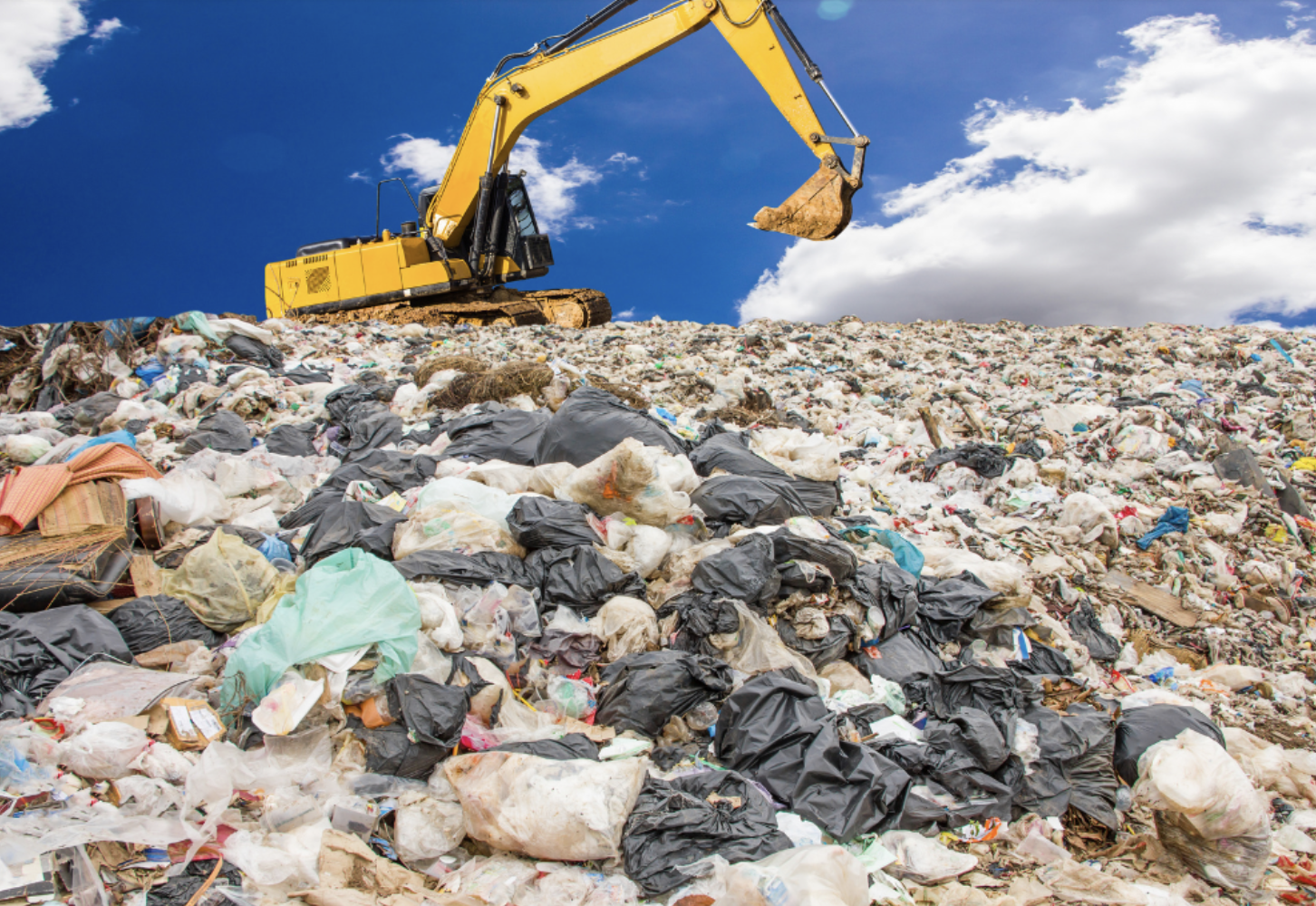
58% of the methane from landfills comes from food waste
61% of the total methane produced is released to the atmosphere
For each metric ton of food waste that goes into a landfill you get about 0.86 tons of CO2 equivalent (CO2e) released to the atmosphere as methane — effectively a 1:1 equivalent
In 2020 landfilled food scraps released 55 million tons of CO2e to the atmosphere